Landmark Beach Hotel and Conference Centre, Dar es Salaam, Tanzania 30 November - 1 December 2016
...



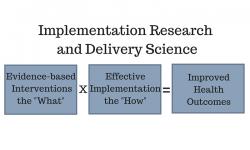
Implementation research and delivery science (IRDS) is a process to both understand “what’ works and “how” to get what works to the populations that need it to improve health outcomes. The process has been called by many names (e.g. - implementation research, implementation science), is closely related to other approaches (e.g. - operations research), and is an integral component of health systems research. The term IRDS has recently been coined to capture both the research and delivery...

The global community is pushing for facility-based deliveries by skilled birth attendants. However, some women who give birth in facilities are subjected to disrespect and abuse. Learn more about TRAction's efforts to advance respectful maternal care by: measuring the prevalence of disrespect and...

Equity in health service delivery ensures the provision of quality health care to all people irrespective of their social class, ethnicity, gender, or geographical area. TRAction is funding the development of descriptive case studies that explore the implementation and/or scale-up of targeting interventions to improve equity in access and utilization of maternal, newborn, and child health (MNCH) services in low-income settings where quality health services are available, but access is...
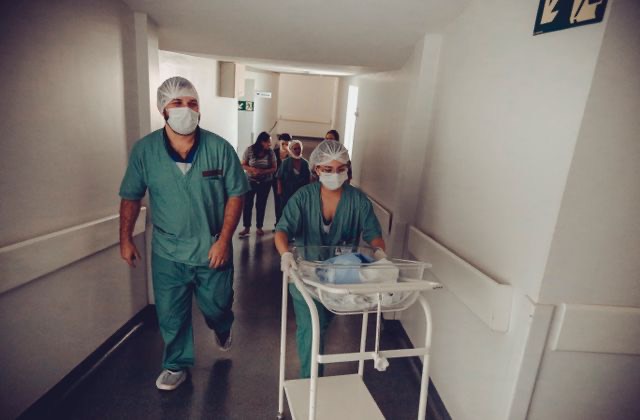
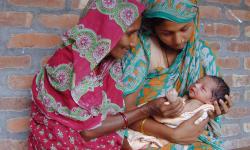
Although under-five child mortality has decreased significantly around the world, the rate of neonatal mortality remains high, especially in low and middle income countries. Reductions in maternal and newborn mortality require use of quality and respectful skilled care, mostly at the facility level, but women and families often delay accessing care for a variety of reasons. TRAction intends to support research in this area to identify, describe, and disseminate promising community-oriented...

Performance Based Incentives (PBI) programs in developing countries have focused on expanding access and coverage of services and addressing issues of equity. Because PBI is a relatively new area of work that stresses increased utilization of services, there has been less attention paid to assessing and incentivizing quality of care or in understanding the unintended consequences of these programs on quality of other services. The goal of this TRAction-supported PBI research is to anticipate...
Human resource shortages in health services are widely acknowledged as a challenge to health service delivery in low income countries. A more rational distribution of tasks and responsibilities among available cadres of health workers, or task sharing, is as a promising strategy for improving access to health services within health systems. TRAction research in this area explores implementation of task sharing for Caesarean section policy using a case study and landscape analysis approach in...
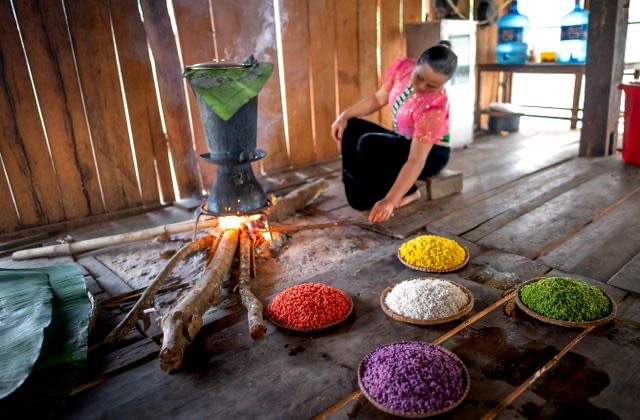
Household air pollution (HAP) poses a substantial threat to the health of the world’s poor. Over half of the world’s population still cooks with solid-fuel – including wood, dung, coal or agricultural residues – on poorly functioning traditional stoves or open fires. As a result, an estimated 1 billion people, mostly women and children, are exposed to high household air pollution levels that harm their health and livelihoods. Improved cookstoves, which burn fuel more cleanly and efficiently...

Today, around 780 million people do not have access to clean drinking water, and 2.5 billion people live without access to improved sanitation. This lack of basic services results in many health problems around the world, such as diarrhea. In many parts of the world, supposedly improved sources of drinking water have poor water quality and are unreliable. Water, sanitation, and hygiene (WASH) is also important for good nutrition. Gastrointestinal infections caused by poor WASH conditions may...

TRAction's malaria research is focusing on new strategies for using long-lasting insecticide treated bednets (LLINs), indoor residual spraying of insecticides (IRS), and insecticide-treated wall liners (ITWLs) to prevent malaria transmission.
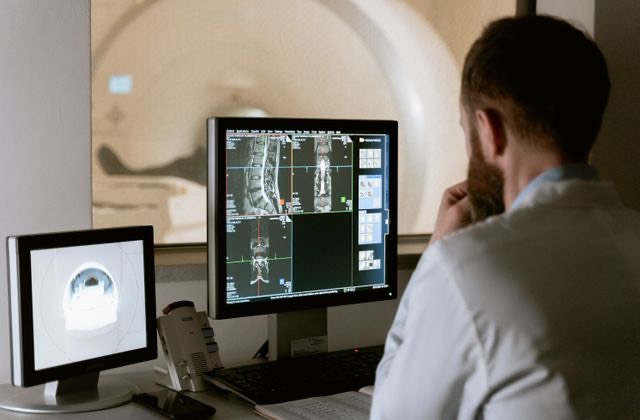
In Bangladesh, TRAction is working to address key challenges that threaten to hinder the country’s progress in its fight against Tuberculosis. Rapidly growing urban areas and slums face under-diagnosis and low levels of treatment of sputum positive cases. Rising rates of childhood TB reflect the inattention to its diagnosis and management. All these problems are compounded by poorly resourced government health facilities with little investment in infection control.
Additionally, TB...
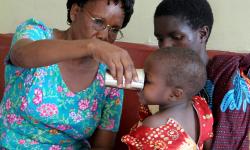
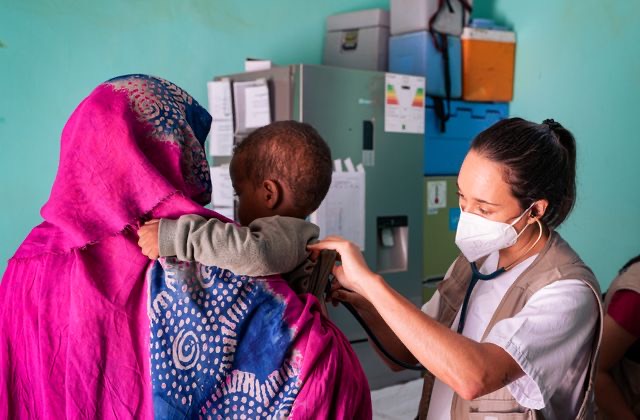

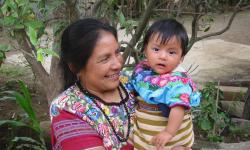
Improving health systems to strengthen maternal, neo-natal and child health and nutrition (MNCHN) is a current priority for the Guatemalan government. To do this, the health system must systematically identify complications related to these priority areas and build strong networks from community-level providers up to hospitals. Without clear communications between these levels of health care providers, there is a risk that once a problem is identified, referrals to proper facilities will not...

Landmark Beach Hotel and Conference Centre, Dar es Salaam, Tanzania 30 November - 1 December 2016
...
The International Day for the Elimination of Violence Against Women kicked off the 1st International...


